

Health costs and health insurance services in Dubai and the UAE

Cost of healthcare and health insurance services in Dubai
When you decide to move to the Gulf countries, including the UAE, you don’t need to worry about the quality of health insurance services in Dubai. In 2018, the UAE was ranked as one of the 10 most effective healthcare systems in the world. In cities like Dubai, medical facilities are accessible to everyone. Although the cost of healthcare in the UAE is high, having health insurance in Dubai will cover almost all the expenses.
The United Arab Emirates boasts advanced healthcare and medical infrastructure. However, what truly sets its medical services apart is the wide range of health insurance options available in Dubai. Medical expenses for Emirati citizens are low and often free, while expatriates are required to pay for healthcare services. Expats can only access public healthcare centers if they hold a valid health card.
In this article, we at the Dubai Real Estate Group – amlakuae.com – will delve deeper into the healthcare and insurance system in the UAE, and explore the different types of health insurance specifically designed for expatriates.
Types of health insurance in Dubai and the Emirates

In the UAE, health insurance is divided into several types:
-
Individual health insurance

– Covered persons: The insured person
-
Family health insurance
– Covered persons: the insured person, his/her spouse and children
-
Senior Citizens Insurance
– People covered: People over 60 years old
-
Group/Employee Insurance Plans
– Covered persons: Employees, to join or leave the workplace
-
Critical illness insurance:
– Covered people: People with dangerous and fatal diseases
In the UAE, health insurance covers medical expenses related to illnesses, accidents or surgery. You can pay your premiums monthly or annually. There are different types of health insurance in the UAE and you can find out more about healthcare and insurance in the above cases.

Below, we take a closer look at each of these health insurance plans in Dubai and examine their details.
Individual Health Insurance Plans
This health insurance plan in Dubai is officially and aptly named. Individual health insurance plans are offered to insured individuals by insurance companies in the United Arab Emirates. This type of financial insurance provides comprehensive coverage for specific illnesses, along with features such as free hospitalization and coverage of pre- and post-hospitalization expenses. In an individual health insurance plan, all insurance costs and benefits are provided exclusively to the insured individual.
Family Health Insurance Plans
This type of health insurance in Dubai and the UAE is affordable and has a wider coverage that includes the insured person, his spouse and children. When purchasing a Dubai insurance plan, each of the insured members must be carefully identified and registered.

Senior Citizen Insurance Plans
A small number of health insurance companies in Dubai offer these plans. They usually have strict conditions for offering this insurance plan, which include detailed medical examinations and higher premium rates (compared to insurance plans for younger people).
Group/Employee Insurance Plans
The policyholders of these types of health insurance plans in Dubai are usually employers. These plans are designed for employees to join and leave. Due to the reduced risks for this group of insured, their premiums are usually lower. Apart from the importance of insurance, having an insurance plan is considered one of the basic conditions for working in Dubai. For more information on working conditions in the UAE, you can refer to Working in the UAE.
Critical Illness Insurance Plans
The illnesses covered by this type of insurance are not generally covered by other health care and insurance plans in the UAE. Problems such as frequent hospital visits, long-term treatments, and pre- and post-hospitalization costs increase the costs and premiums of these types of plans.

Health insurance for expatriates in UAE cities
The requirements for obtaining insurance in the UAE depend on the city you live in. In general, insurance laws are strictly enforced in all cities in the UAE, which is one of the main advantages of living in the UAE. Below, we will take a closer look at the conditions for healthcare and insurance in the UAE and in different cities.
Insurance services in Abu Dhabi
In Abu Dhabi, citizens who are Emirati nationals benefit from the Thiqa program. By receiving a Thiqa card, these citizens have access to a wide range of private and public healthcare providers in the UAE. These providers are all members of the Daman Network (Emirates Healthcare Network).
Applicants for these services must be Emirati citizens, reside in Abu Dhabi, and be between the ages of 18 and 75. Applicants for these services must first undergo the “Weqaya” screening program through the Department of Health – Abu Dhabi. The Weqaya screening program is provided under the supervision of the Department of Health – Abu Dhabi and is effective in preventing and reducing the risks of cardiovascular diseases through education and personal health programs.
If you do not have insurance in Abu Dhabi, you must pay a fine of 300 dirhams per month. Expatriates must also apply for insurance for themselves and their family members through their employers or sponsors. This health care program in the UAE, like the health insurance program in Dubai, covers the insured person, their spouse and three children under the age of 18. The insurance premium for more than three children is the responsibility of the guardian. Insurance coverage in Abu Dhabi is limited to about 50 percent for dependents, and the remaining costs are paid by the sponsor or the employee himself.
Health insurance services in Dubai
In Dubai, the Health Insurance Law requires all residents of the city to have health insurance coverage in Dubai. This health insurance service in Dubai must provide the minimum benefits set by the Dubai Health Authority (DHA) or better. As such, the responsibility for the insurance lies with the employer and no amount should be deducted from the employees for this purpose. The extensive and comprehensive insurance laws are one of the attractive benefits that expatriates can achieve by immigrating to Dubai. You can read more about the living conditions in dubai in our articles.
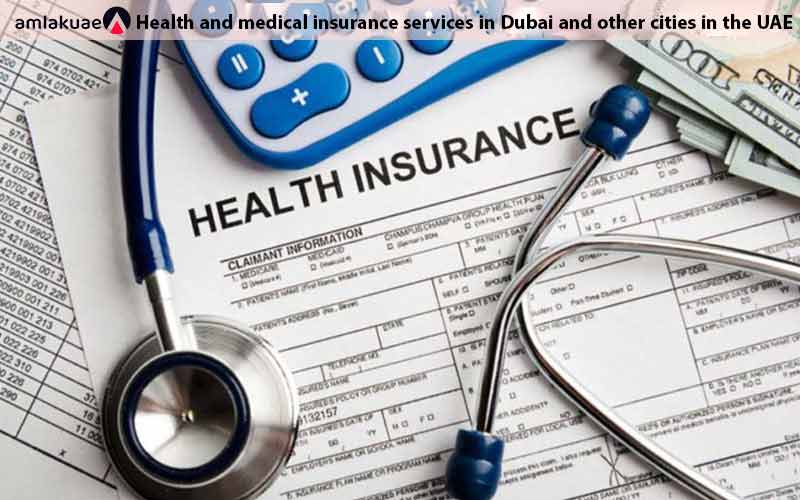
Dubai residents who are UAE citizens have access to Saada insurance. Insured persons under this scheme are eligible to receive healthcare services from both government and private facilities. UAE citizens can use their private insurance and opt out of government schemes if necessary. Private health insurance is required for individuals who are dependents of the main insured.
Since having health insurance is mandatory in Dubai, failure to obtain it will result in a monthly fine of AED 500. In addition, those without insurance will be denied visa extensions by the government and will not be allowed to stay without proof of health insurance.

Insurance services in Ajman
In Ajman City, all UAE government employees have health insurance.
Insurance services in Sharjah
Government employees and their dependents in Sharjah are also covered by health insurance.
Comparing private and public insurance in the UAE
The public healthcare system in Dubai is mainly used by Emirati citizens (around 15% of Dubai’s population). In other words, expats often skip the public system and opt for private services due to the high standards of healthcare and health insurance services in Dubai. Below, we will take a detailed look at the advantages and disadvantages of health insurance in Dubai in both the public and private sectors.
Private insurance in the UAE
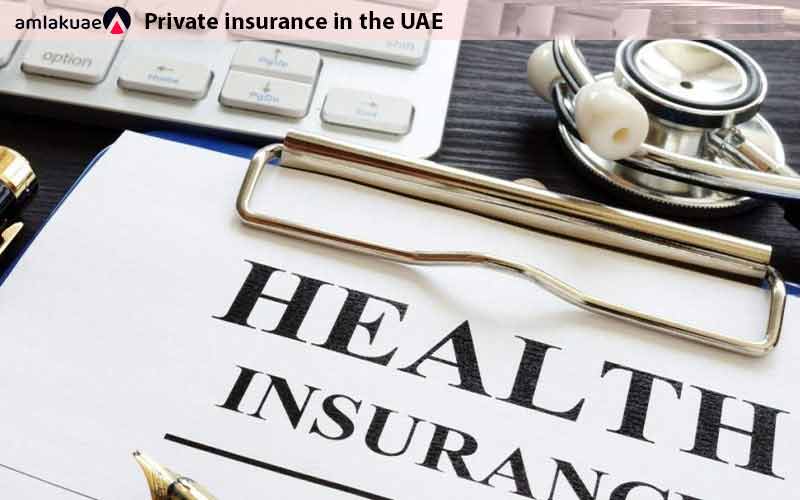
In Dubai and Abu Dhabi, your employer or sponsor is directly responsible for paying the private health insurance premium. The premium amount for dependents of the main insured person starts from AED 599. The exact premium amount depends on factors such as age, type of treatment required and the options covered by the health insurance in Dubai and Abu Dhabi. Private insurance companies generally offer a wide range of different plans. Private insurance plans also allow you to add special and customized benefits to your policy. Some of the main private international health insurance providers in the UAE include:
– APRIL International
– Globality Health
General insurance services in Dubai
Anyone legally employed in Dubai is required to have public insurance coverage (paid for by their employer). To access health insurance services in Dubai, through government centers and hospitals in the UAE, you need a health card. You can apply for this card online or through medical centers. To obtain a health card, you will need to provide the following documents:
- Emirates ID number
- Passport details
- Residence visa
- Two passport-sized photos
- Copy of tenancy contract
- Completed application form
- Payment of AED 320 for adults and AED 120 for children under ten
Healthcare and Insurance System in the United Arab Emirates: A Comprehensive Look
The United Arab Emirates is known as one of the Gulf countries with advanced healthcare services. The country has attracted not only ordinary people but also doctors and medical staff to work and live. Immigration of doctors to the Emirates comes with many benefits, some of which are mentioned here. In this text, we will examine the details of healthcare services and health insurance in Dubai and other cities in the Emirates.
Of the seven emirates (governorates) of the country, Abu Dhabi and Dubai attract the largest number of expatriates and offer the highest quality of healthcare. This has led to the phenomenon of “medical tourism.” Hundreds of thousands of tourists travel to the country each year to receive medical services. Orthopedics, dermatology, and ophthalmology are among the most popular specialties in the UAE, while cosmetic, dental, and fertility services are other popular medical fields in Dubai.
There are more private medical centers than public centers. Health insurance is mandatory for everyone in Dubai and Abu Dhabi. In the northern emirates of Ajman, Ras Al Khaimah, Sharjah, Fujairah, and Umm Al Quwain, insurance is not mandatory for employers.
All of these points provide details about the health insurance services in the UAE. If you are also planning to immigrate to the UAE and are looking for detailed information about health services for expatriates, reviewing these points can help you.
Final words
In the UAE, healthcare and health insurance services in Dubai are of high quality. In addition, these services offer a wide range of insurance plans that cover the costs of treatment to a large extent. This allows you to benefit from healthcare and insurance services in the UAE as an Emirati citizen or expatriate. In this text, we have reviewed all the information you need about insurance in the UAE.
This article examines the cost of healthcare in Dubai and the UAE. We have put together this information for you so that you can easily find the best Dubai apartment for you before deciding to buy a house in Dubai. For this purpose, UAE real estate experts are here to provide you with the best guidance and free advice.


