Dubai’s tourism industry and its impact on real estate

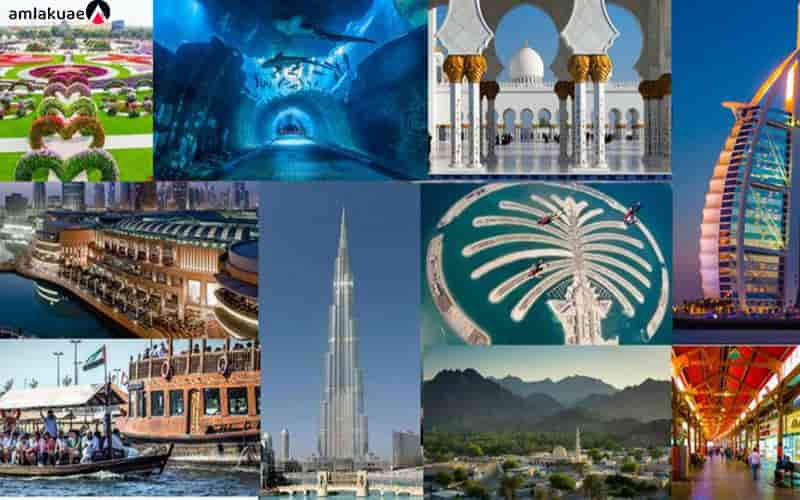
Dubai is one of the most attractive and vibrant tourist destinations in the world, drawing millions of visitors each year. With its dynamic economy, multicultural culture, rich history, and unique recreational experiences, it is recognized as a unique travel destination. In this article, the Dubai Real Estate Group explores the attractions, opportunities, and challenges of Dubai’s tourism industry.
History of Tourism in Dubai
Dubai, the capital of the UAE, is a historic city with deep roots. It has long been famous for its bustling markets, historic sites like Dubai Fort and Jumeirah Mosque, and the beautiful shores of the Persian Gulf.
Tourist Attractions in Dubai and the Emirates
Dubai boasts many tourist attractions that draw visitors annually, including:
- Burj Khalifa: The tallest building in the world, offering breathtaking city views from its upper floors. It’s said that from the top, one can even sense the Earth’s rotation. Built by Emaar Properties, this iconic tower is a landmark.
- Jumeirah Beach: Famous for its white sands and blue waters.
- Souk Majid: Traditional markets where locals and tourists buy local clothes, handicrafts, and traditional products.
- Dubai Mall: One of the largest shopping and entertainment centers globally, a top destination for shopping and leisure.
Annual Revenue from Tourism in Dubai
Dubai’s tourism industry generates very high annual revenue. The UAE, especially Dubai, is a prominent global tourist destination attracting millions of visitors worldwide each year.
For example, in 2020, the COVID-19 pandemic and travel restrictions severely impacted tourism revenue. However, prior to that, tourism income was steadily increasing. Due to advanced health infrastructure and effective virus control, the UAE managed to keep COVID-19 impact relatively low.
Tourism income includes hotel stays, shopping, dining, entertainment, and other activities. Official estimates indicate annual tourism revenue in Dubai reaches billions of dollars. During New Year’s celebrations, Dubai hosts extensive events, attracting tourists about five times the city’s population.
More About Dubai Mall
Dubai Mall, located near Burj Khalifa in Downtown Dubai, is one of the world’s largest and most famous shopping centers.
- Size: Over 1,200 stores, restaurants, and facilities, including luxury brands.
- Brand Variety: From high-end brands like Chanel, Louis Vuitton, Gucci to popular ones like H&M and Zara.
- Largest Jewelry Store: Hosting the world’s biggest gold and jewelry store.
- Entertainment: Features a ski slope, aquarium, marine life exhibits, and 22-seat IMAX cinemas.
- Dining: Numerous luxury restaurants and cafes serving global cuisines.
- Events: Hosts exhibitions, concerts, and special sales during holidays.
Dubai Mall is a major contributor to Dubai’s tourism income by offering unparalleled shopping and entertainment experiences.
Top Water Parks in Dubai
Dubai is home to some of the largest and most exciting water parks in the world:
- Aquaventure Waterpark (Located at Palm Jumeirah)
One of the world’s largest, covering over 17 hectares with slides, wave pools, family areas, and kids’ zones. Attractions include “Shark Attack,” “Dinosaur Safari,” and “Prince & Princess Play Area.” - Wild Wadi Waterpark (Near Burj Khalifa and Jumeirah Towers)
Known for its music-themed environment, thrilling slides, wave pools, and attractions like “Jumeirah Sceirah” and “Wipeout.” - LEGOLAND Water Park (Located in Dubai Parks and Resorts)
A family-friendly park with LEGO-themed rides and water activities such as “Pirate’s Cove” and “Coral Reef.” - Wild Wadi Creek (Near Deira)
Features unique design with pools, slides, and children’s play areas.
These parks attract millions yearly, significantly boosting Dubai’s tourism revenue.
Culture and Language
Dubai’s culture is diverse, with people from various ethnicities living together. Arabic is the official language, but English is widely spoken due to the large international community.
Tourism Industry
Tourism is a cornerstone of Dubai’s economy, supporting employment in hospitality, restaurants, retail, and services.
Tourism Challenges
Despite success, Dubai faces challenges like environmental sustainability, managing tourism growth, social-cultural issues, and resource management (water, energy).
Impact of Tourism Revenue on Dubai’s Real Estate Market
Tourists need accommodations—hotels, apartments, suites—which fuels construction growth in Dubai’s hospitality sector.Many Iranians and others invest in hotel apartments in Dubai to rent to tourists, making property purchase a lucrative income source.
The large influx of tourists, for example, to see Burj Khalifa, motivates developers to create spectacular projects like Palm Jebel Ali and Palm Jumeirah. Thus, tourism strongly drives Dubai’s real estate boom.
Conclusion
Dubai remains one of the world’s most attractive tourist destinations with its unique history, culture, and attractions. Sustainable growth in tourism positions Dubai as a successful model for economic development through tourism.
This article highlighted Dubai’s tourism industry and leisure sector, showcasing its diversity, outstanding facilities, and vibrant culture that attract millions of visitors and investors globally.