2024 Dubai and UAE Unprecedented Flood: Full Overview

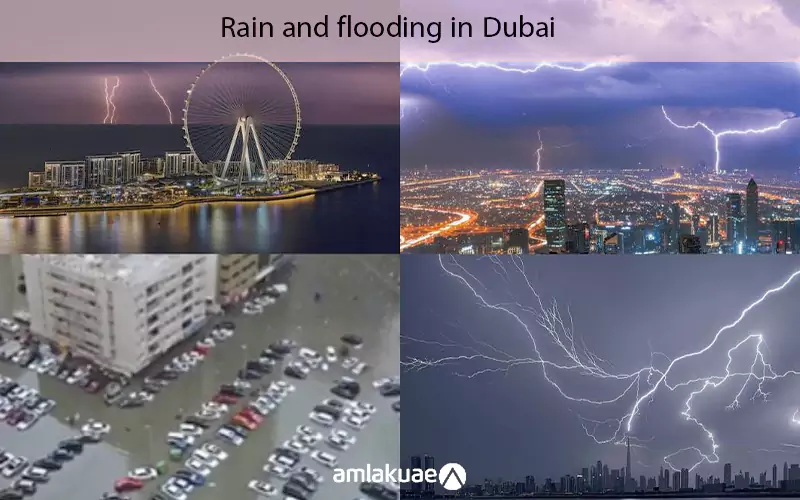
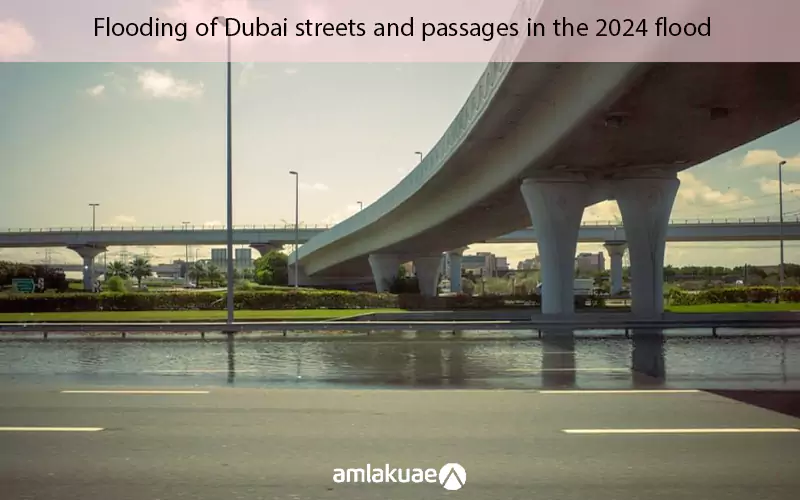
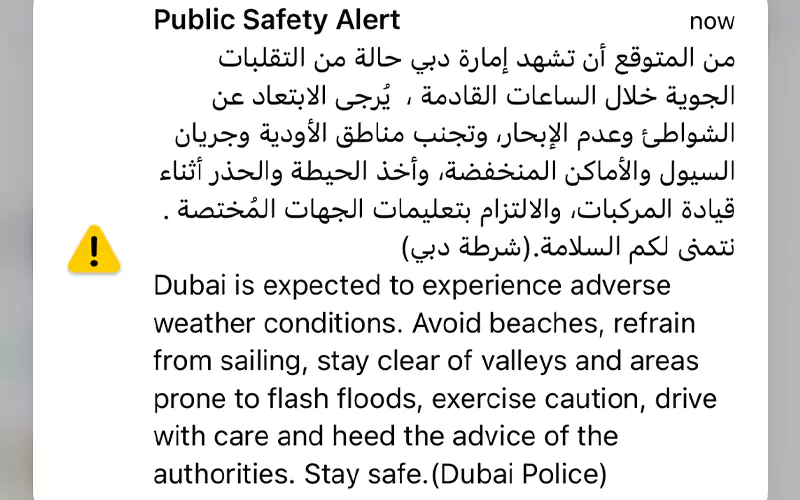
The flooding and waterlogging were part of a major rainfall event and climate change impact affecting the Gulf region, including Oman and southern Iran, which also experienced floods and water accumulation. The UAE had not experienced rainfall of this intensity since 1949. In 2024, reported rainfall reached approximately 254.8 mm within 24 hours.
Initial reports suggested that the rainfall was caused by clouds seeded by the UAE; however, this was disproven. The unprecedented rainfall affected most parts of the Gulf region and was attributed to unusual seasonal climate changes for this time of year. Therefore, regarding the recent flooding in the UAE, the following points can be highlighted:
- On April 16, 2024, unprecedented torrential rains swept across the United Arab Emirates, causing floods in various parts of the country, particularly in Dubai.
- Authorities stated that this was the heaviest rainfall in the region in 75 years, resulting in flooding of roads, streets, homes, and infrastructure.
- The rainfall volume in Dubai exceeded 142 mm within 24 hours, surpassing the city’s average annual rainfall.
- The floods disrupted transportation and led to flight cancellations at Dubai International Airport, one of the world’s busiest airports.
Damages from the 2024 Dubai Flood
The 2024 flood in Dubai caused significant financial damage. It also inflicted extensive harm to homes, vehicles, infrastructure, and businesses. UAE government authorities are still assessing the overall impact of the flood.
Dubai Airport Situation During the Flood
Dubai International Airport was severely affected, leading to many flight cancellations and delays. Floodwaters penetrated parts of the terminals and runways, disrupting landing and takeoff operations. The airport was partially evacuated, leaving many passengers stranded. Thanks to around-the-clock efforts, the airport was fully reopened within a few days.
UAE’s Response and Measures Following the 75-Year Rainfall Event
In response to the flood, the UAE government has initiated several measures to prevent similar future incidents. These include upgrading drainage systems, constructing new dams and reservoirs to capture rainwater, and raising public awareness about flood risks. The UAE is also reviewing cloud seeding programs to determine if they contributed to the increased rainfall.
Many developers have announced their readiness to repair and restore the damages caused to properties, including Emaar Properties and Meraas Dubai. The government has also mandated several other developers to take responsibility for repairs and provide assistance for the damages incurred.
Methods of Compensating Citizens for Damages Caused by the Government
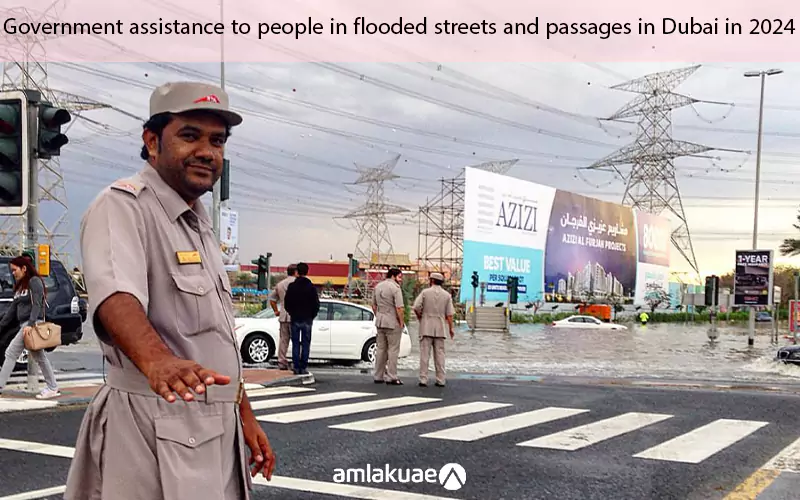
Government Response and Support to the People of Dubai During the Rainfall Crisis
During the recent rainfall crisis, Dubai, United Arab Emirates, under the leadership of Sheikh Hamdan bin Mohammed bin Rashid Al Maktoum, provided extensive support to affected residents through real estate developers and crisis management companies, all at no additional cost. These supports included housing services, food provision, pest control, security, and assistance with property repairs. This swift and coordinated effort not only demonstrated Dubai’s commitment to the well-being of its residents but also highlighted the strong unity and solidarity within the community. Such supportive actions have further enhanced Dubai’s global reputation as a hub of business, innovation, and resident care.
Additionally, for those affected by damages and all residents of Dubai, all vehicle fines up to this date have been waived.
Ultimately, this unprecedented rainfall event the first in 75 years prompted Dubai’s leadership to prioritize significant investment in seasonal climate resilience at the country’s central facilities. It is worth noting that prior efforts to regulate Dubai’s hot summer climate involved expanding artificial lakes, increasing green spaces, and implementing environmentally friendly ecosystems. These eco-friendly systems are currently being implemented in the Expo City district near Al Maktoum Airport.
The UAE government has pledged comprehensive aid to residents and businesses affected by the flooding. This assistance includes direct cash payments, low-interest loans, and support for rebuilding homes and businesses. Authorities are also distributing essential supplies such as food, water, and blankets to flood victims.
Upgrading Dubai’s Urban Drainage Infrastructure
Dubai is embarking on a major investment of AED 80 billion (approximately USD 22 billion) to develop an advanced sewage system, as part of its sustainable strategy to reduce vulnerability to future natural disasters. Sheikh Hamdan announced this plan to significantly enhance the city’s capacity to handle extreme weather conditions, thereby promoting sustainable urban infrastructure development.
One of the key measures the UAE is undertaking to prevent similar flooding events is the upgrade and expansion of Dubai’s urban sewage system. The current drainage infrastructure proved insufficient to handle the heavy rainfall during the 2024 floods. Authorities are planning to improve the system to efficiently manage larger volumes of water, which will reduce the risk of street and roadway flooding during intense rain events.
Climate Change and Future Preparedness
The 2024 floods underscore the increasing risks posed by climate change to the UAE. As global temperatures rise, the country is expected to experience more extreme weather events including floods, droughts, and sandstorms. It is critical for the UAE to upgrade its infrastructure and policies to better adapt to these evolving climate challenges.
The Impact of the Dubai Flood on Dubai’s Real Estate Prices and the Property Market
The impact of the recent flood on property prices and the buying and selling market in Dubai is not yet fully clear. In the short term, there may be a slight decline in prices in some flood-affected areas. This is due to the lower desirability of these areas as places to live or invest in the short term. However, in the long term, property prices in Dubai are likely to continue their upward trend.
There are several reasons for this, including
- Strong Economic Growth of Dubai: Dubai’s economy heavily relies on tourism, trade, and real estate. These factors create a steady demand for housing and commercial spaces, which in turn leads to rising property prices.
- Limited Supply: Available land in Dubai is limited, and this natural limitation contributes to the increase in property prices.
- Dubai’s Popularity as a Destination for Living and Investment: Dubai is known as an attractive destination for living and investing for people worldwide. This is due to advanced infrastructure, a business-friendly environment, security, and a high quality of life in the city.
Despite the recent flood, Dubai remains an attractive city for many people to live and invest in. Therefore, property prices in the city are expected to continue growing in the long term.
However, it is important to conduct your own research and consult a trusted real estate advisor, such as the Amlakuae real estate group, before making any investment or purchasing property in Dubai. This will help you make the best decision according to your personal circumstances and goals.
Final Thoughts
The recent flood in the United Arab Emirates serves as a reminder of the increasing risks that climate change poses to the country. The torrential rains in April 2024 caused significant financial damage and disrupted critical infrastructure. While the UAE is working to repair the damage and prevent similar floods in the future, it is important to note that this was not just a temporary event.
As the Earth warms, the country will witness more extreme weather events such as floods, droughts, and sandstorms. Therefore, the UAE must take decisive action to address these risks and adapt to the changing climate.
These actions should include upgrading infrastructure like drainage systems and dams, investing in new water technologies, and raising public awareness about the dangers of climate change.
Only by adopting a comprehensive and long-term approach can the UAE enhance its resilience against upcoming challenges and ensure a sustainable future for its residents.