

Incredible Insights into Living in Dubai and UAE’s Major Cities

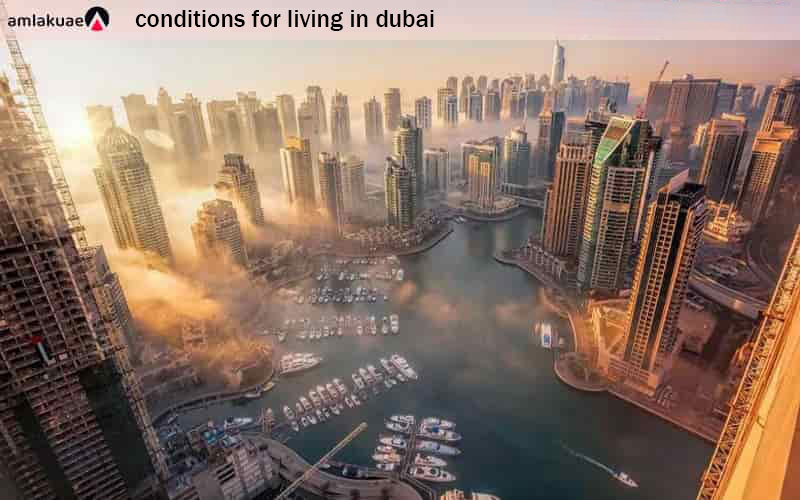
Features of the UAE and Living Conditions in Dubai
Dubai, located in the United Arab Emirates, is recognized as one of the largest and most luxurious cities in the world. Living in Dubai can be an exciting and fascinating experience. It is considered one of the most unique cities in the Middle East, attracting thousands of expatriates who choose to migrate by purchasing apartments in Dubai and settling in this vibrant metropolis.
It’s important to note that nearly 80% of Dubai’s population consists of expats, which is a remarkable statistic on its own. Life in Dubai—or in the UAE in general—can offer a delightful and enriching experience. That’s why many individuals seek comprehensive information about this city. For this reason, the Amlakuae real estate group has compiled everything you need to know about living in Dubai in this article.
Related to what you are reading: Everything about studying in dubai
General Information About Dubai and Other UAE Cities
Living in Dubai often starts with purchasing a modern apartment and enjoying the luxury amenities offered by newly built residential projects like Ocean House by Ellington.
Dubai, the largest and most vital city in the UAE, is situated in the southeastern region of the Persian Gulf. It serves as one of the most important commercial hubs in the Middle East. The city’s economy thrives on oil revenues as well as international trade, making it dynamic and influential.
Dubai ranks as the 22nd most expensive city in the world, which might pose some challenges. However, with a proper job and income, one can easily manage the higher cost of living.
The capital of the UAE is Abu Dhabi, which is also a charming and attractive place to live. It is the second-most populous city in the country and contributes to about two-thirds of the UAE’s total economy, making it highly significant after Dubai.
Sharjah and Ajman are other developing cities in the UAE. Today, they are among the world’s top 100 cities, with growing tourism and immigration contributing to their promising futures. Overall, UAE’s progressive governmental policies have turned the country into one of the best destinations for living in the Middle East.
Dubai Rulers and Royal Communities in the UAE
The UAE flag symbolizes a country with a land area of about 83,600 square kilometers and consists of red, green, white, and black colors. The official currency is the UAE Dirham. The country comprises seven emirates:
-
Abu Dhabi
-
Dubai
-
Sharjah
-
Ras Al Khaimah
-
Ajman
-
Fujairah
-
Umm Al Quwain
Each emirate has a high degree of autonomy, and one of their rulers also serves as the head of state. Sheikh Khalifa bin Zayed Al Nahyan was the President of the UAE and the ruler of Abu Dhabi, playing a crucial role in the country’s leadership.
Among the emirates, Dubai stands out as one of the wealthiest and most prominent. With an area of 4,114 square kilometers, Dubai hosts major businesses and offers exceptional amenities that make living here extremely enjoyable.
Sheikh Mohammed bin Rashid Al Maktoum is the ruler and visionary leader behind modern Dubai. Due to his transformative architectural initiatives, he is often referred to as the architect of Dubai. Crown Prince Sheikh Hamdan bin Mohammed Al Maktoum is also actively involved in the city’s development.
Advantages of Living in Dubai
Dubai offers a unique combination of modern infrastructure, economic opportunities, and a high quality of life, making it one of the most attractive destinations for expatriates and investors worldwide. Here are some of the top advantages of living in Dubai:
1. Tax-Free Income
One of the biggest benefits of living in Dubai is its tax-free income policy. Residents do not pay personal income tax, which means you can save a significant portion of your earnings. This is especially attractive to professionals, entrepreneurs, and investors seeking financial growth.
2. Luxury Lifestyle and World-Class Infrastructure
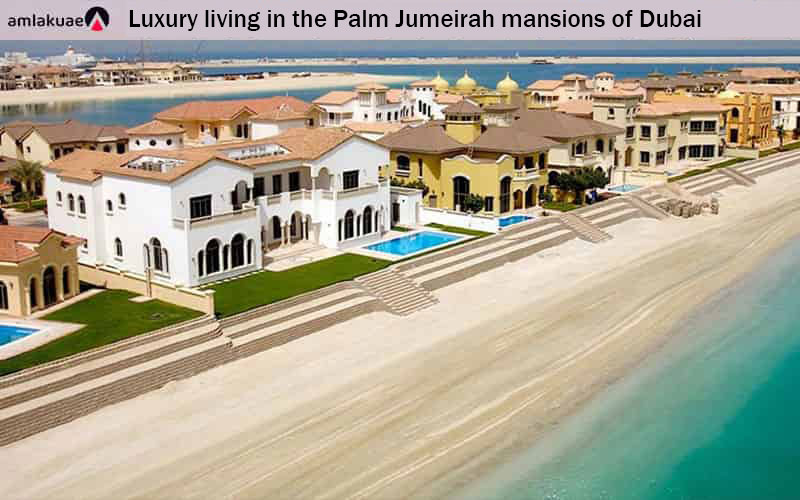
Dubai is synonymous with luxury. From high-end shopping malls and iconic skyscrapers like the Burj Khalifa to extravagant resorts and beach clubs, the city offers an unmatched standard of living. The roads, public transport, and urban infrastructure are modern, clean, and highly efficient.
3. Safety and Security
Dubai is one of the safest cities in the world. The crime rate is extremely low, and the government places a strong emphasis on law enforcement and public safety. This makes it an ideal place for families, professionals, and retirees alike.
4. Multicultural Environment
Dubai is home to people from over 200 nationalities, creating a vibrant multicultural society. English is widely spoken, making communication easy for foreigners. This diversity fosters cultural exchange and makes the city welcoming for everyone.
5. Business-Friendly Environment

Dubai is a global business hub with numerous free zones that offer 100% foreign ownership, no corporate taxes in many cases, and simplified business setup processes. It attracts startups, tech companies, and large multinational corporations.
Related to what you are reading: investing in dubai property
6. Excellent Education and Healthcare
Dubai offers a wide range of international schools and universities that follow British, American, IB, and other global curricula. The city also provides top-tier healthcare services, with many modern hospitals and clinics offering world-class care.
7. Proximity to Other Global Cities
Dubai’s location is strategic—it sits at the crossroads of Europe, Asia, and Africa. The city’s international airport is one of the busiest in the world, offering direct flights to major cities across the globe.
8. Ideal for Families
From safe neighborhoods to family-friendly entertainment, Dubai caters well to families. There are countless parks, attractions like Dubai Aquarium and Global Village, and indoor entertainment centers that make living here fun for children and adults alike.
Related to what you are reading: Everything you need to know about buying property in Dubai
Disadvantages of Living in Dubai
While Dubai offers many advantages, it’s important to consider the potential downsides as well. Here are some of the key challenges you might face while living in Dubai:
1. High Cost of Living
Dubai can be expensive—especially when it comes to housing, schooling, and leisure. Rent prices in popular areas like Downtown Dubai or Palm Jumeirah are particularly high. Imported goods and dining out can also add up quickly, making budgeting essential.
2. Extreme Summer Temperatures
From June to September, Dubai experiences extremely hot and humid weather, with temperatures often exceeding 45°C (113°F). This can limit outdoor activities and affect your overall lifestyle during these months.
3. Strict Laws and Cultural Differences
While Dubai is relatively liberal compared to other Middle Eastern cities, it still has strict laws influenced by Islamic traditions. Public displays of affection, dress codes in some areas, and alcohol consumption outside licensed venues can lead to fines or legal issues.
4. Traffic and Congestion
Despite modern roads and public transport systems, traffic congestion—especially during peak hours—can be frustrating. Commuting from suburban areas to the city center might take longer than expected.
5. Limited Path to Citizenship
Dubai, and the UAE in general, does not offer permanent residency or citizenship for most expatriates. Residency is usually tied to employment or property ownership and must be renewed periodically, which can affect long-term stability.
6. Work Culture and Long Hours
The work environment in Dubai can be demanding, with long hours and a fast-paced corporate culture. Some expatriates report challenges in maintaining a good work-life balance, particularly in private sector jobs.
7. Cost of Private Education
While Dubai has excellent international schools, tuition fees can be very high, especially for top-tier institutions. This can be a significant financial burden for families with multiple children.
8. Transiency of Social Life
Due to the large expat population, friendships and professional networks can sometimes feel temporary. Many people move in and out of Dubai frequently, which can make building long-term relationships challenging.
Related to what you are reading: Getting to know property developers in Dubai
Living in Dubai as a Foreigner
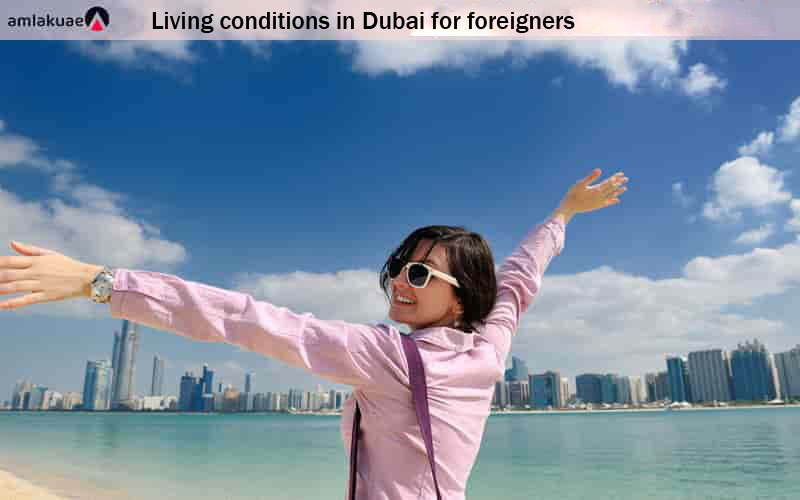
Dubai is home to a large expatriate community, with foreigners making up about 85% of the population. This diversity creates a unique, multicultural environment that offers a wide range of opportunities and experiences. However, adjusting to life in Dubai as a foreigner comes with its own set of challenges and rewards.
1. Multicultural Environment
Dubai is one of the most cosmopolitan cities in the world, with people from all corners of the globe. This melting pot of cultures is reflected in the food, festivals, and social life of the city. As a foreigner, you can find communities and networks from virtually every country, making it easier to connect with like-minded individuals and feel at home. There are also plenty of international restaurants, cultural events, and places of worship to cater to diverse needs.
2. Language Barrier
While Arabic is the official language of Dubai, English is widely spoken, especially in business and urban areas. Most signs, menus, and documents are available in English, so communication is generally not a barrier for foreigners. However, learning some basic Arabic can help in daily interactions and show respect for local culture. Arabic can also be useful in more traditional areas or when dealing with government services.
3. Visa and Residency
As a foreigner, you can live and work in Dubai as long as you hold a valid residency visa, which is typically tied to your employer or property ownership. The UAE does not have a direct path to citizenship for expatriates, so you will need to renew your visa regularly. Some recent initiatives, such as the long-term residency “Golden Visa,” offer more stability for certain professionals, investors, and skilled workers.
4. Work Opportunities
Dubai is known for its thriving economy and job market, particularly in industries such as finance, real estate, technology, hospitality, and construction. Many expatriates are drawn to Dubai for better career opportunities, tax-free income, and the chance to work with international companies. However, the work culture can be competitive and demanding, so it’s important to be prepared for long working hours and high expectations.
5. Social Integration
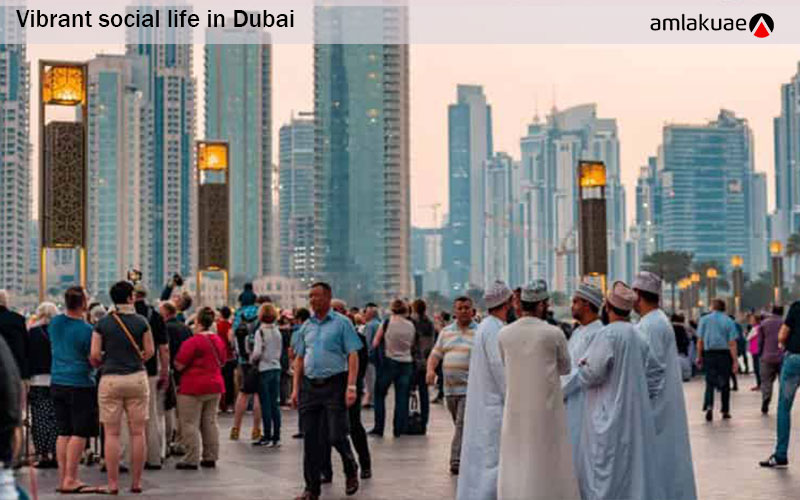
Socializing in Dubai can be both exciting and challenging. The city offers a wide array of entertainment options, from luxury shopping malls and fine dining to desert safaris and beach clubs. However, the transient nature of the expatriate community means that friendships can sometimes feel temporary. It’s also important to respect the cultural norms of Dubai, particularly when it comes to socializing between genders. Public displays of affection, for example, are frowned upon and can even result in legal consequences.
6. Cost of Living and Financial Planning
As a foreigner, you will likely face a higher cost of living in Dubai, particularly if you want to live in popular expatriate areas. Rent is a major expense, and while salaries are often higher than in other countries, many expatriates find it necessary to budget carefully to manage their lifestyle. It’s also important to be aware of the lack of social security or pension plans for expatriates, as well as the cost of private health insurance.
7. Cultural Sensitivity
Dubai is a part of the United Arab Emirates, where Islamic traditions and customs influence daily life. Foreigners should be mindful of local cultural and religious practices, especially during the holy month of Ramadan when eating and drinking in public during daylight hours is not allowed. It’s also essential to dress modestly in public spaces to avoid offending local sensibilities. Understanding and respecting these cultural differences will help you build positive relationships and avoid misunderstandings.
8. Educational Opportunities for Children
For expatriate families, one of the most important considerations is the availability of good education. Dubai offers a range of international schools that follow different curriculums, including British, American, and IB systems. However, private education can be expensive, so it’s essential to plan for this cost. Some schools may also have long waiting lists, so securing a spot in your preferred school can require early planning.
9. Health and Safety
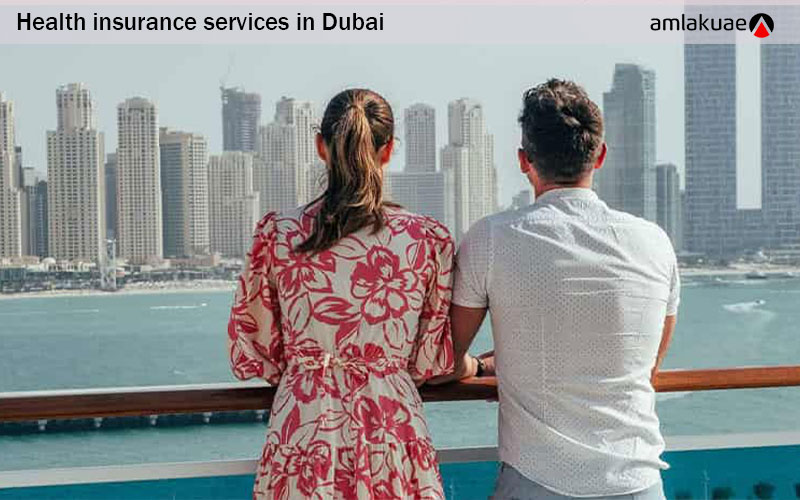
Dubai is known for its high standards of healthcare, with modern hospitals and medical facilities available throughout the city. Many expatriates opt for private health insurance to cover their medical expenses, as the government does not provide free healthcare for non-citizens. As far as safety goes, Dubai is one of the safest cities in the world, with low crime rates and high standards of law enforcement.
Transitioning to Life in Dubai
Moving to Dubai can be an exciting and rewarding experience, but it requires a period of adjustment, especially for those who are not accustomed to living in a fast-paced, modern, and culturally distinct city. Transitioning smoothly into life in Dubai requires understanding the practical aspects of settling in, adapting to local customs, and taking advantage of the opportunities the city offers. Below are some key factors to consider when making this transition.
1. Finding Accommodation
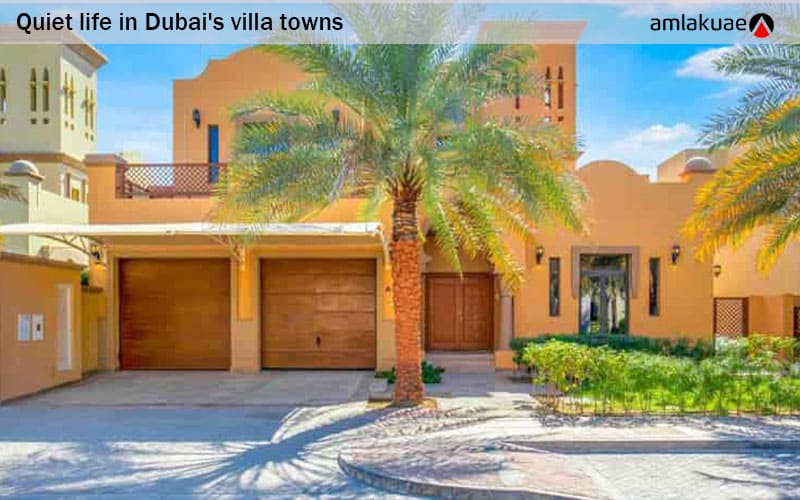
One of the first tasks when moving to Dubai is finding a place to live. Dubai offers a wide range of accommodation options, from luxurious apartments in skyscrapers to villas in quieter suburban areas. Popular areas for expatriates include Downtown Dubai, Dubai Marina, Jumeirah Beach Residence (JBR), and Palm Jumeirah. When choosing where to live, consider factors such as proximity to your workplace, schools (if you have children), and lifestyle preferences. Renting a home in Dubai can be expensive, so it’s essential to budget accordingly and be prepared to pay a few months’ rent upfront, as landlords typically require advance payments.
2. Getting Around
Dubai boasts a highly efficient transportation system, including an extensive metro network, buses, and taxis. The metro is clean, air-conditioned, and offers convenient access to key areas of the city. However, many expatriates prefer to drive, and getting a UAE driving license is a common next step for new arrivals. Renting a car or purchasing one is relatively easy, and Dubai’s roads are well-maintained and easy to navigate. Be sure to familiarize yourself with the local driving rules, as fines for traffic violations can be steep.
3. Opening a Bank Account
Having a local bank account is essential for managing your finances in Dubai. Most expatriates opt for major banks such as Emirates NBD, Dubai Islamic Bank, or Mashreq Bank. The process of opening an account usually requires proof of residency, a valid passport, and a salary certificate or employment contract. Some banks may also require an initial deposit. Credit cards are widely accepted in Dubai, but cash can be necessary for smaller transactions or in certain neighborhoods.
4. Understanding the Work Culture
Dubai’s work culture is fast-paced and competitive, with an emphasis on professionalism and results. Many expatriates find the working environment to be dynamic and rewarding, but it can also be demanding. Understanding local expectations regarding work hours, productivity, and dress codes is crucial. For example, business attire is formal, and punctuality is highly valued. Keep in mind that Friday is considered the Islamic day of rest, so most businesses operate on a Sunday-to-Thursday workweek, with Friday and Saturday being the weekend.
5. Dealing with the Weather
Dubai’s climate can be challenging for newcomers, especially during the summer months when temperatures regularly exceed 40°C (104°F). The heat can be intense, but fortunately, the city is well-equipped with air conditioning in almost every building, car, and shopping mall. To adjust to the climate, try to limit outdoor activities during the peak heat hours, hydrate frequently, and wear light, breathable clothing. The cooler winter months (from November to March) are more pleasant for outdoor activities and exploring the city.
6. Socializing and Building a Network
Making new friends and building a social network is an important part of adjusting to life in Dubai. The city offers numerous opportunities to meet people through professional groups, social clubs, and community events. Many expatriates find that the city’s diverse social scene makes it easier to connect with others. Whether it’s joining a sports league, attending cultural events, or participating in expatriate community gatherings, there’s always a way to find a group of people with similar interests. However, be mindful of cultural sensitivities and follow local norms when engaging with people, especially regarding gender interactions.
7. Adapting to Cultural Norms
Dubai is a city that blends modernity with tradition, and understanding local customs is crucial for a smooth transition. While the city is cosmopolitan, it is also deeply rooted in Islamic traditions, which influence aspects of daily life. Public displays of affection, swearing, or inappropriate behavior in public spaces can result in legal consequences. Dress modestly, particularly in public places like malls, government buildings, and beaches. It’s also important to be respectful during Ramadan, when eating, drinking, and smoking in public during daylight hours is prohibited.
8. Healthcare and Wellbeing
Healthcare in Dubai is of a high standard, with modern hospitals and clinics providing world-class medical services. Many expatriates opt for private health insurance, as public healthcare is limited for non-citizens. In case of emergencies, Dubai’s hospitals are well-equipped to handle medical situations, and there is a strong focus on wellness and preventive care. Many expatriates also enjoy the city’s many fitness centers, spas, and outdoor activities available during the cooler months.
9. Staying Connected with Home
Although Dubai is a fast-paced city, staying connected to your home country is important for maintaining emotional well-being. Many expatriates rely on technology to keep in touch with family and friends through social media, video calls, and messaging apps. Dubai has reliable internet, and many cafes and malls offer free Wi-Fi. Additionally, international phone plans and SIM cards are widely available.
10. Embracing the Opportunities
Living in Dubai offers incredible opportunities for personal and professional growth. The city’s modern infrastructure, booming economy, and dynamic cultural scene provide expatriates with unique experiences. Whether you’re looking to advance your career, explore new industries, or enjoy a high standard of living, Dubai offers something for everyone. The key to a successful transition is embracing the city’s opportunities, respecting its culture, and staying open to new experiences.
Conclusion
Living in Dubai offers a unique blend of modern convenience, cultural diversity, and professional opportunities that make it an attractive destination for expatriates. While the city presents challenges such as adapting to the climate, navigating its cultural norms, and finding suitable accommodation, it also provides numerous benefits including world-class infrastructure, a thriving job market, and a vibrant social scene. By understanding the local customs, preparing for the practical aspects of life in Dubai, and embracing the opportunities the city has to offer, expatriates can create a fulfilling and enriching experience in one of the most dynamic cities in the world. Whether you’re considering a short-term stay or planning to make Dubai your long-term home, the city welcomes individuals from all walks of life, offering a future full of possibilities.


