

All about Al Fahidi (Al Bastakiya) neighborhood for Dubai tourism

Introducing the Al Fahidi District in Dubai for Tourism
In the heart of the bustling metropolis of Dubai lies a hidden gem that takes visitors back in time. The Al Fahidi neighborhood of Dubai, also known as Al Bastakiya, is a charming area that preserves the city’s rich cultural heritage and showcases its historical past. Join us, the Amlakuae.com real estate group, as we explore everything about the historic Al Fahidi district in Dubai.
An Overview of Al Fahidi Neighborhood in Dubai
This neighborhood dates back to the 19th century when it was established by wealthy Iranian merchants. It became a hub for trade and commerce, bustling with markets that sold everything from spices to textiles. Al Fahidi is one of Dubai’s important districts because of its significant role in the city’s tourism industry.
Today, the historic Al Fahidi district stands as a testament to Dubai’s humble beginnings and its rapid transformation into a global center for trade and tourism. The neighborhood also hosts several museums that provide insights into Dubai’s history, culture, and traditions.
Al Fahidi is more than just a tribute to Dubai’s past—it is a reminder of the city’s commitment to preserving its heritage amid rapid modernization. Visiting here offers not only an immersion into history but also an understanding of how far this vibrant city has come.
History of Al Fahidi Neighborhood
With its narrow alleys and bustling markets selling spices, textiles, and more, the historic Al Fahidi neighborhood became a center for trade and commerce. Its prime location along Dubai Creek made it an ideal spot for merchants to anchor their boats and unload goods.
The architecture in Al Fahidi is unique, reflecting traditional Emirati styles. Most houses are built from coral, stone, and gypsum, featuring intricate designs that functioned as natural air-conditioning systems before modern technology. The wind towers are particularly notable for their masterful design that not only provided ventilation but also showcased the craftsmanship of local artisans.

The historic district witnessed several major events shaping Dubai’s history over the years. One was the arrival of oil companies in the 1930s, which transformed Dubai’s economy from a trading port to an oil-rich country. Another milestone was the establishment of Dubai Municipality in 1954, leading to significant improvements in infrastructure and public services.
During World War II, Al Fahidi played an important role as a base for British forces stationed in Dubai. Its strategic location near vital shipping routes made it ideal for defense purposes. Despite its rich history, Al Fahidi faced demolition threats in the 1970s due to urban development plans. However, thanks to local preservation efforts and government support, this unique district was saved and restored to its former glory.
Today, visitors can explore this historic jewel on foot or by bike, admire its timeless architecture, and learn about its rich history through museums like the Sheikh Mohammed Cultural Understanding Center and the XVA Gallery. Visiting Al Fahidi offers a glimpse into Dubai’s past while celebrating its present achievements as a leading global city.
Things to Do in Historic Al Fahidi
The historic Al Fahidi district is not only a testament to Dubai’s rich cultural heritage and history but also offers plenty of sights and activities for visitors. Touring the historic buildings and museums provides insights into daily life in 19th-century Dubai, showcasing its customs, traditions, and architecture.
-
Visit Dubai Museum
Located in Al Fahidi Fort, Dubai Museum is one of the key attractions. Built in 1787, the fort served as a residence for ruling families, a military barracks, and even a prison before being converted into a museum in 1971. The museum exhibits Dubai’s history, culture, and ancient lifestyle.
-
XVA Art Gallery
Art lovers will appreciate the numerous galleries in Al Fahidi, including XVA Gallery, which showcases contemporary art by local and regional artists.
-
Taste Emirati Local Cuisine
After exploring museums and galleries, visitors can enjoy traditional Emirati dishes in local cafés and restaurants. The Arab Tea House offers authentic meals like Machboos (spiced rice with meat or fish) and Luqaimat (sweet dumplings). Visitors can also savor Arabic coffee or tea while enjoying shisha (flavored tobacco smoked through water pipes) at various cafés.
-
Shop for Local Souvenirs
Don’t miss the opportunity to shop for souvenirs in the local markets. The textile souk offers fabrics such as silk, cotton, and linen, while the spice market features exotic spices like saffron, cardamom, and cinnamon. Traditional crafts like pottery, carpets, and jewelry made by local artisans are also available.

Top Things to Do in Al Fahidi District
Dubai isn’t just about skyscrapers and modernity; it’s also rich in history and tradition. The best place to experience this is the small district of Al Fahidi, which seems to come straight from the tales of One Thousand and One Nights.
Established in the 19th century near Dubai Creek, Al Fahidi (or Al Bastakiya) is one of the city’s oldest neighborhoods, known for its well-preserved historic buildings and streets. It’s a perfect place to enjoy local food, art, and various exhibitions.
Its buildings are constructed with stone, gypsum, sandalwood, and other traditional materials, well preserved and even listed as a World Heritage site.
Dubai Museum
The first recommendation is definitely the Dubai Museum, housed inside Al Fahidi Fort. Before wandering the streets, it’s good to understand the history from a different perspective. The well-organized exhibits take you from Dubai’s fishing village origins to the bustling metropolis it is today.
The museum features dhows (traditional boats over 1000 years old), rooms dedicated to ancient and modern architecture, and many antiques, providing a deep understanding of Dubai’s roots.
The museum is essential for visiting Al Fahidi.
Museum Fees and Hours: Entry has a small fee, roughly 0.30 euros, but donations are welcome. Open Saturday to Thursday 8:30 AM to 8:30 PM, Fridays 2:30 PM to 8:30 PM.
Location: The museum is in Al Fahidi Fort on 62A Street, easy to reach by foot or car, especially if you are already in Bur Dubai.
Al Fahidi Fort
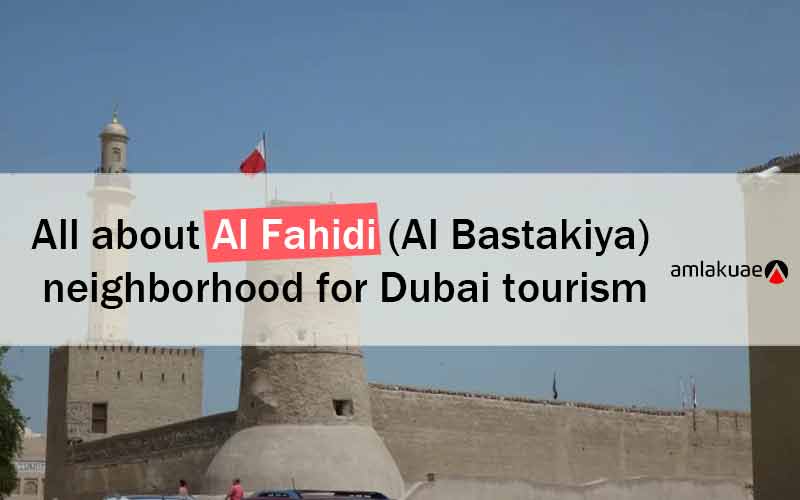
Technically the fort and the museum are the same building. It’s the oldest surviving building in the city, built in 1787 from stone, mud bricks, and palm fronds. Despite damages over the years, it was restored and originally built for defense against pirates. In the early 20th century, three large towers were added. The fort has served as a barracks, prison, palace, and now museum.
Al Farooq Mosque
At the heart of Al Fahidi stands Al Farooq Mosque, one of only two mosques in Dubai open to non-Muslim visitors (the other is Jumeirah Mosque). Its architecture is inspired by Istanbul’s famous Blue Mosque, with similar design but smaller scale.
Visiting hours and tickets: The mosque is open to non-Muslims but visits must be booked, usually via organized tours. Free visits require contacting mosque officials. Open Sunday to Thursday, 10:00-11:00 AM and 4:15-6:00 PM.
Location: North of Al Fahidi near Dubai Creek and Dubai Museum, with nearby parking and public transport (bus line F70).
Dress Code:
- Women: loose pants or long skirts, no tight or transparent clothes, long sleeves, headscarf.
- Men: no shorts below the knees, shirts or T-shirts with sleeves covering shoulders.
Sheikh Mohammed Cultural Understanding Center
For many Western visitors, understanding UAE customs can be challenging. Opened in 1998, SMCCU helps visitors understand Emirati culture through activities like traditional breakfasts, lunches, and dinners served on Bedouin-style carpets with a guide answering cultural questions—a highly recommended experience.
Hours: Open Sunday to Thursday 8 AM – 3 PM, Saturday 9 AM – 1 PM; closed Fridays.
Location: In a restored traditional wind tower in the heart of Al Fahidi.
Exploring the Historic Streets of Al Fahidi
Beyond museums and landmarks, Al Fahidi is a picturesque area perfect for leisurely walks. Its narrow, winding streets feel like scenes from Arabian nights and are ideal for photography.
Local cafés and restaurants offer coffee, tea, and traditional dishes at reasonable prices. Shops sell crafts, clothing, and souvenirs.
Culture in Al Fahidi
Among over 50 historic houses, you’ll find endless galleries, museums, and historic buildings:
- Coin Museum: showcasing over 500 coins from pre- and post-independence UAE.
- Symposium House: hosts cultural talks often in English.
- Events House: craft shows and small concerts.
- Calligraphy House: dedicated to Arabic writing and artistic forms.
Al Fahidi at Night
The district transforms with evening lighting that beautifully illuminates iconic buildings. Starting at sunset with a quiet dinner, then enjoying the glowing lights, especially around Al Farooq Mosque and Dubai Fort, is a must.
Where to Eat in Al Fahidi
Dubai offers diverse dining options. Traditional Emirati food like mezze, tabbouleh, hummus, and more are common in cafés. A small restaurant called Local House even serves camel meat dishes.
How to Get to Historic Al Fahidi
Al Fahidi’s central location makes it easy to reach:
- Public Transport: Take the Dubai Metro Green Line to Al Fahidi Station, just minutes away on foot. Nearby bus station is Al Ghubaiba.
- Taxi/Rideshare: Widely available and convenient.
- Private Vehicle: Use GPS or road signs pointing to Bur Dubai.
Visitors can explore on foot or rent bikes available in the area. The narrow streets are pedestrian-friendly.
Tips for Visiting by Season and Weather
Winter (November–March) is the best time to visit, with mild temperatures ideal for walking and exploring.


